“You don’t have to live with it”: breaking the silence on bladder and bowel health

Bladder and bowel concerns are more common in community than many people realise – but they’re also one of the least talked about health issues.
Our team says one of the biggest challenges is not the condition itself, but the belief that nothing can be done.
“A common thing we hear is that leaking is just part of getting older or something you have to put up with,” a member of the team explains. “While it’s common, in most cases, it can be treated or significantly improved without surgery.”
These misconceptions often prevent people from seeking help early, leading to symptoms that impact everyday life.
Recognising the signs early
Bladder and bowel issues can show up in different ways, and they’re not always easy to talk about, especially for Elders.
“Our community members might not always say directly that something’s wrong,” the team shares. “But we often see signs like people rushing to the toilet, avoiding activities, or feeling worried about where the nearest toilet is.”
Key symptoms include leaking when coughing, sneezing, or exercising, needing to use the toilet frequently (including overnight), or even reducing fluid intake to manage symptoms. Some people may also have trouble when passing urine or bowel motions.
“These symptoms can really affect confidence and quality of life,” the team says. “People might stop going out, stop exercising, or withdraw from things they enjoy.”
Support available close to home
The good news is that support is available locally through your local clinic, with a range of free services to help community members regain confidence and control.
“We take a team approach,” staff explain. “That might include pelvic physiotherapy to strengthen muscles, occupational therapy to assess needs and provide practical strategies, and nursing support to help access continence aids.”
Community members can access pelvic physiotherapy with a referral from their GP, while occupational therapists and nurses also provide assessments and assist with navigating support systems.
“Our role is to make sure people feel supported every step of the way,” the team says.
Treatment works – at any age
A key message from clinicians is that continence issues don’t just affect older people – and they don’t have to be permanent.
“Incontinence can affect people of all ages for a range of reasons,” the team explains. “But the earlier we can assess and start treatment, the better the outcomes tend to be.”
They emphasise that many people experience significant improvements – and sometimes complete resolution – once they receive the right care.
“We always tell people: don’t wait and don’t feel shame. This is something we deal with all the time, and we’re here to support you.”
A journey back to confidence
For one community member, getting help made a life-changing difference.
“Aunty came to us because she was leaking during everyday activities like coughing, sneezing, and exercising,” the team recalls. “It was starting to affect her confidence and participation in her exercise classes.”
Following a thorough assessment, Aunty was supported with pelvic floor exercises, strategies to manage symptoms during activity, and a review of her medications to ensure they weren’t contributing to the issue.
“With the right support, her pelvic strength and endurance improved, and her symptoms reduced significantly,” the team says. “She was able to keep going to her exercise classes without fear – and that confidence is huge.”
Accessing funding and ongoing support
For those needing longer-term support, there are funding options available to help cover continence products and care.
“There are a number of schemes people might be eligible for, including MASS, CAPS through Centrelink, and in some cases NDIS,” the team explains.
Importantly, community members don’t have to navigate these systems alone.
“Our pelvic physios, OTs, and nurses can all help with applications and guide people through the process,” staff say. “We make sure they understand what’s available and help them access it.”
Starting the conversation
Above all, the message from the IUIH team is clear: bladder and bowel concerns are common, treatable, and nothing to be ashamed of.
“It’s about starting the conversation,” the team says. “Once people reach out, we can support them – and that first step can make all the difference.”
People are encouraged to speak with their GP or visit their local clinic to learn more about the support available.


FluMist update – expanded eligibility and availability
May 20, 2026
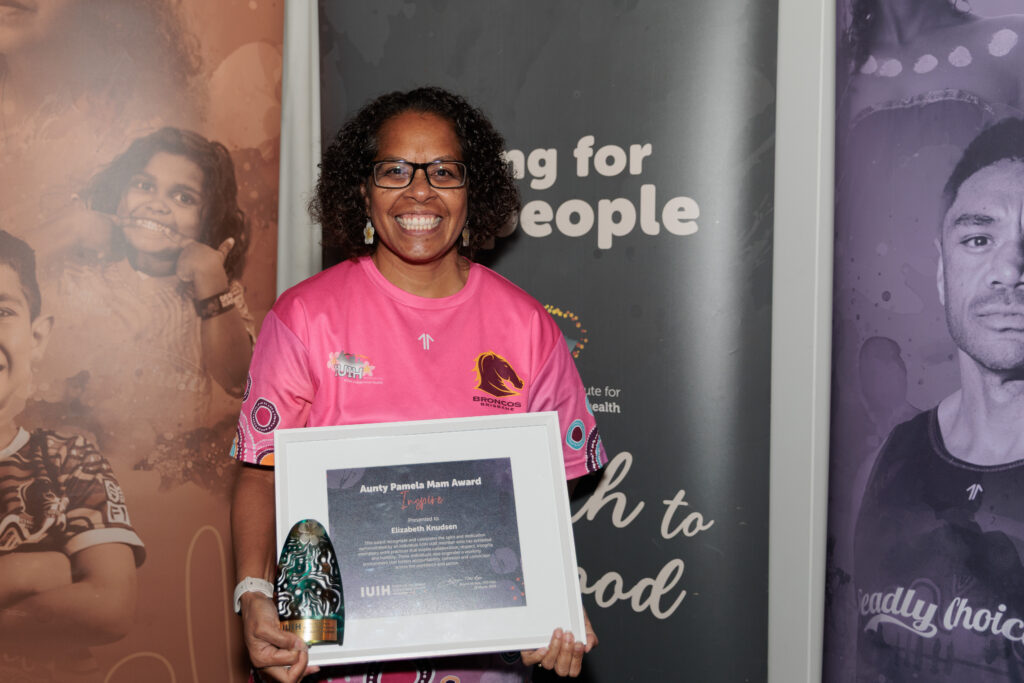
Celebrating our nurses: Elizabeth Knudsen
May 12, 2026

Mum’s the word: Gabs and Kaz’s Story at IUIH
May 8, 2026
FluMist update – expanded eligibility and availability
May 20, 2026
Celebrating our nurses: Elizabeth Knudsen
May 12, 2026
Mum’s the word: Gabs and Kaz’s Story at IUIH
May 8, 2026