Empowering Mob: a yarn with IUIH’s Disability Services team during Disability Pride Month
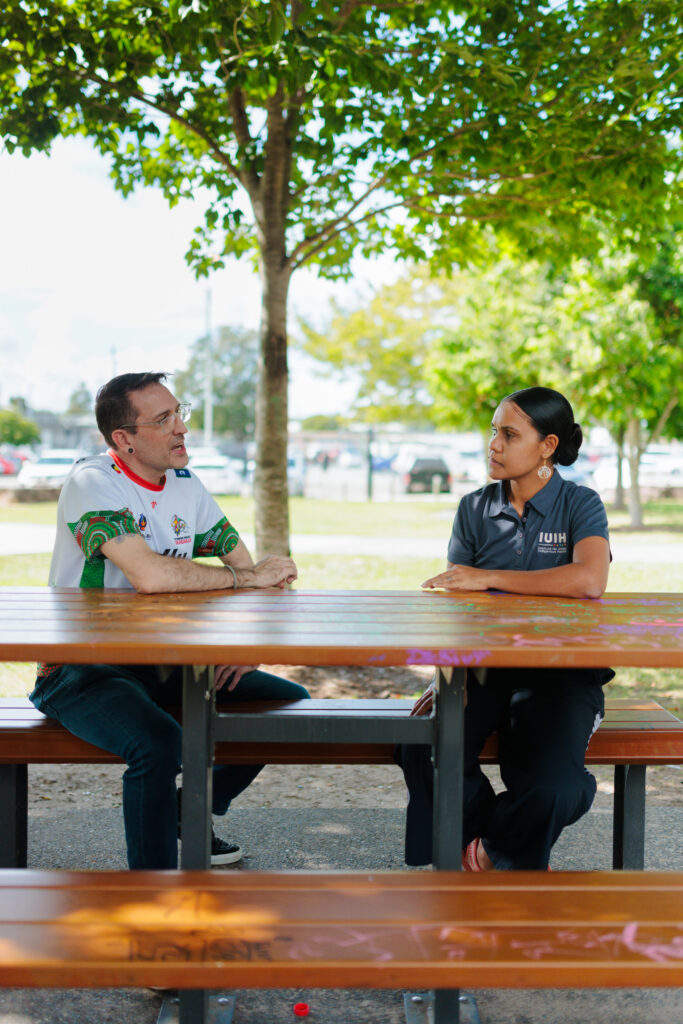
Tysha Cinnabar works as a project officer in IUIH’s Disability Services team – a role where she empowers Mob to understand NDIS systems and requirements, so they can access the support that’s available to them.
“The NDIS can be confusing, and it’s our job to break down jargon and put it in simple terms so Mob can understand it better,” says Tysha. “We share that information by yarning with Mob about their questions, so they can build their skills and knowledge over time.”
The IUIH Disability Services team offers education, access, healthcare and practical support to Mob with disabilities. A typical day in Tysha’s role sees her scheduling workshops, liaising with clinics and keeping project work on track – centring Community’s needs in everything she does. The workshops are a safe space for Mob to share their story and access the advocacy, knowledge and confidence they need to get support.
“When people don’t have support, or someone to advocate for them or break the NDIS process down, it can just get left,” says Tysha. “That’s why we work in a trauma-informed, strengths-based practice to help Mob realise their strength and their resilience.”
As well as her professional skills, Tysha is able to bring her own lived experience to her role as the mother of a child with a disability diagnosis.
“I’ve learned so much as a staff member, a parent and a community member within this team,” says Tysha. “Yes, my journey is not the same as every person we’re connecting with – everyone has their own journey, and their own abilities. But I can understand and relate to how complex the system is. It can be really hard to navigate.”
The benefit of having common ground is emphasised by Tysha’s colleague, Stu Mcluskey, who also has a child with a disability and previously had a role within the NDIS.
“I’ve worked at the NDIS, but I’m also a parent”, says Stu, “and I’ve been through the NDIS process as a parent. So I’ve sat on both sides of that table. By working in relational ways and sharing our own personal stories, people say it gives them hope and makes them more comfortable to share their own story.”
Tackling stigma and shame
Both Tysha and Stu witness many barriers to entry when it comes to Mob accessing the disability services they need, but a factor that’s often present is a sense of shame. It’s that stigma that initiatives like Disability Pride Month, which runs globally every July, aim to quash. In making disability more visible, the intention is that stigma and shame are reduced.
“There can be such a sense of shame in feeling like you have a disability, or your child has a disability,” says Tysha. “I know when we first received our child’s diagnosis, I was ashamed because I was worried people would judge us. So I understand that experience as well.”
For Stu, workshops are key to breaking down stigma – when people hear their own stories reflected in those of others, they realise they’re not alone. In the long term, he envisions a future where accessing disability services is as commonplace as accessing any other medical service.
“I’d like to see disability looked at in the same way as healthcare,” Stu says. “If you’re sick, you go to the GP and nobody has a problem with that. And if you have a disability, you go to the place you need to get help – and there should be no stigma attached.”
With work still to be done, IUIH’s Disability Services continues to offer a diverse range of support to Mob with disabilities, and the team is driven by the progress and achievements they witness.
“I’m inspired by Mob’s ability to self-advocate, and their strength and confidence,” says Tysha. “They can face constant barriers, and some Mob are still fresh in their self-advocacy and trying to find their voice. It’s so inspiring to hear stories of their resilience, and of being staunch.”

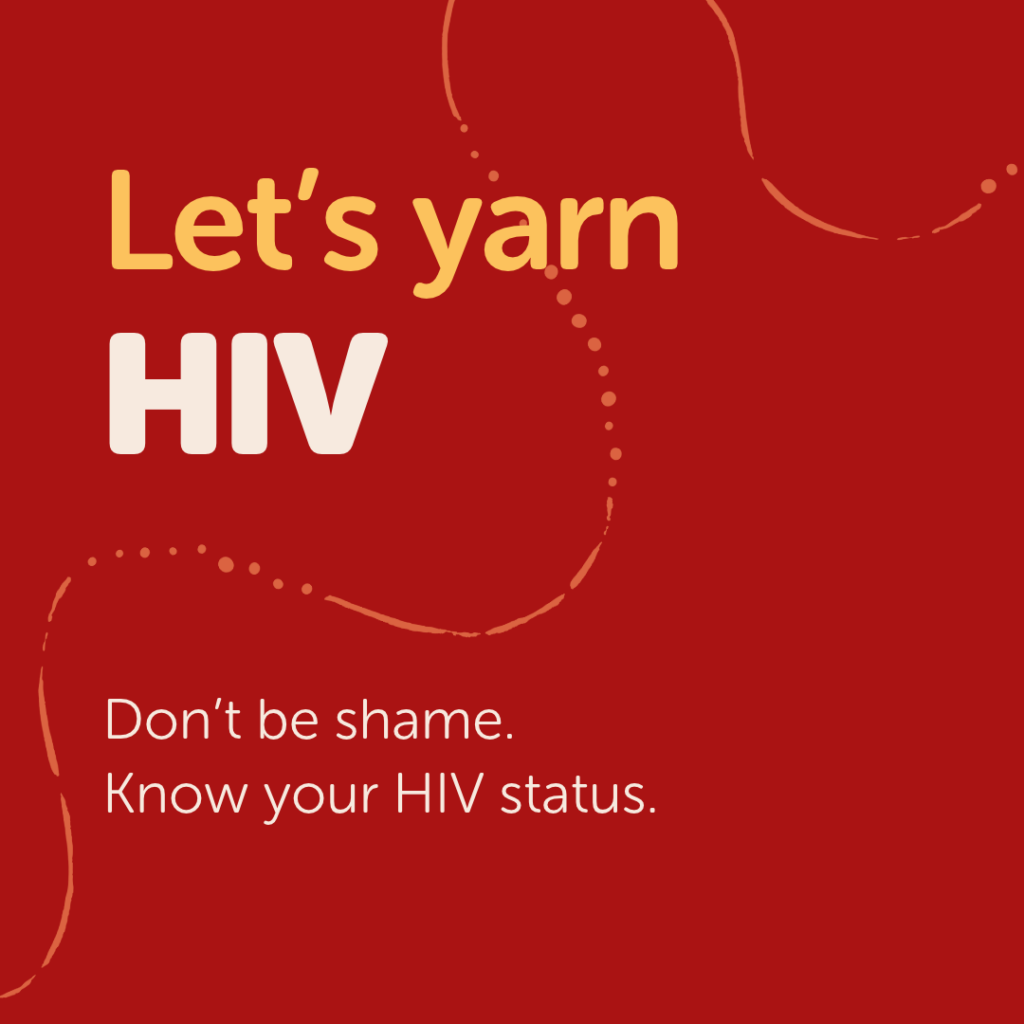
Concerning increase in HIV notifications: Don’t be shame. Know your HIV status.
October 20, 2026
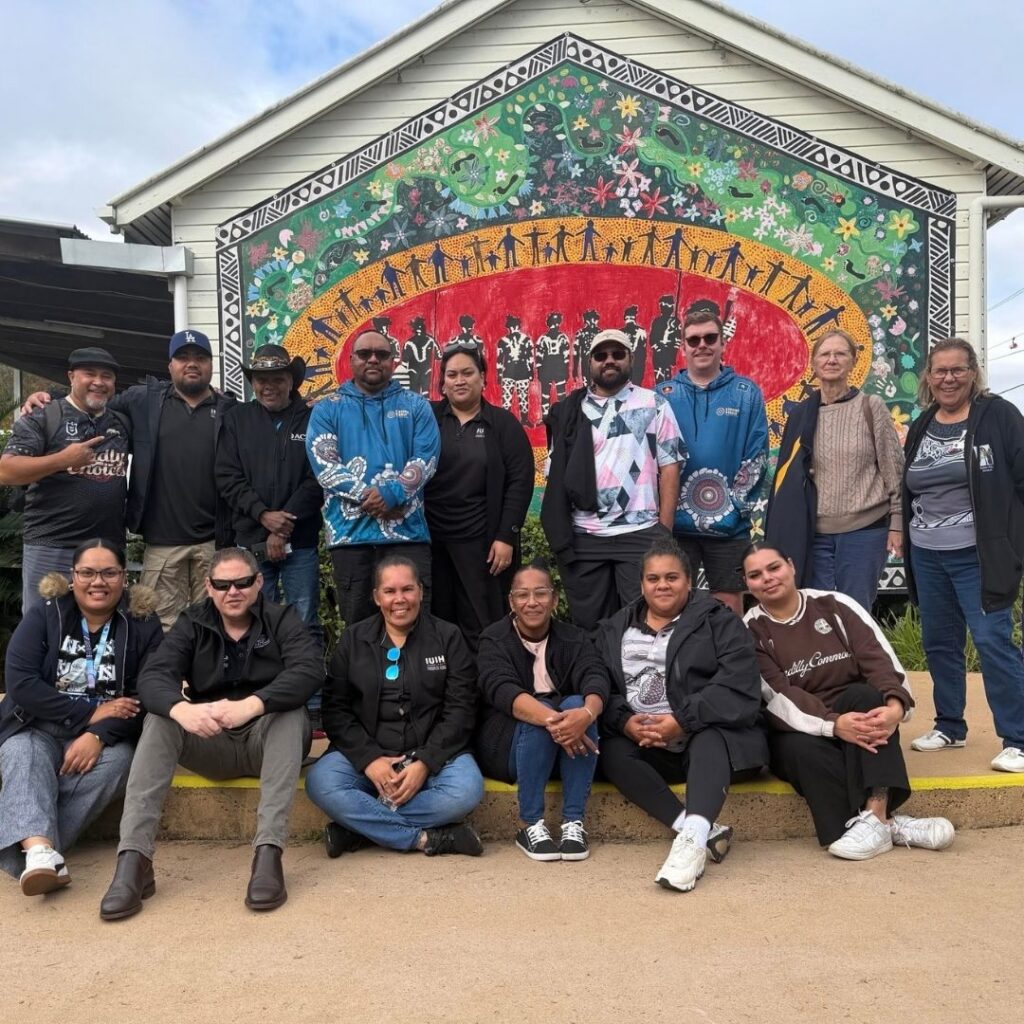
IUIH granted Administering Institute status by the National Health and Medical Research Council
October 1, 2026
Concerning increase in HIV notifications: Don’t be shame. Know your HIV status.
October 20, 2026
IUIH granted Administering Institute status by the National Health and Medical Research Council
October 1, 2026