From Community, for Community – the power of a local connection
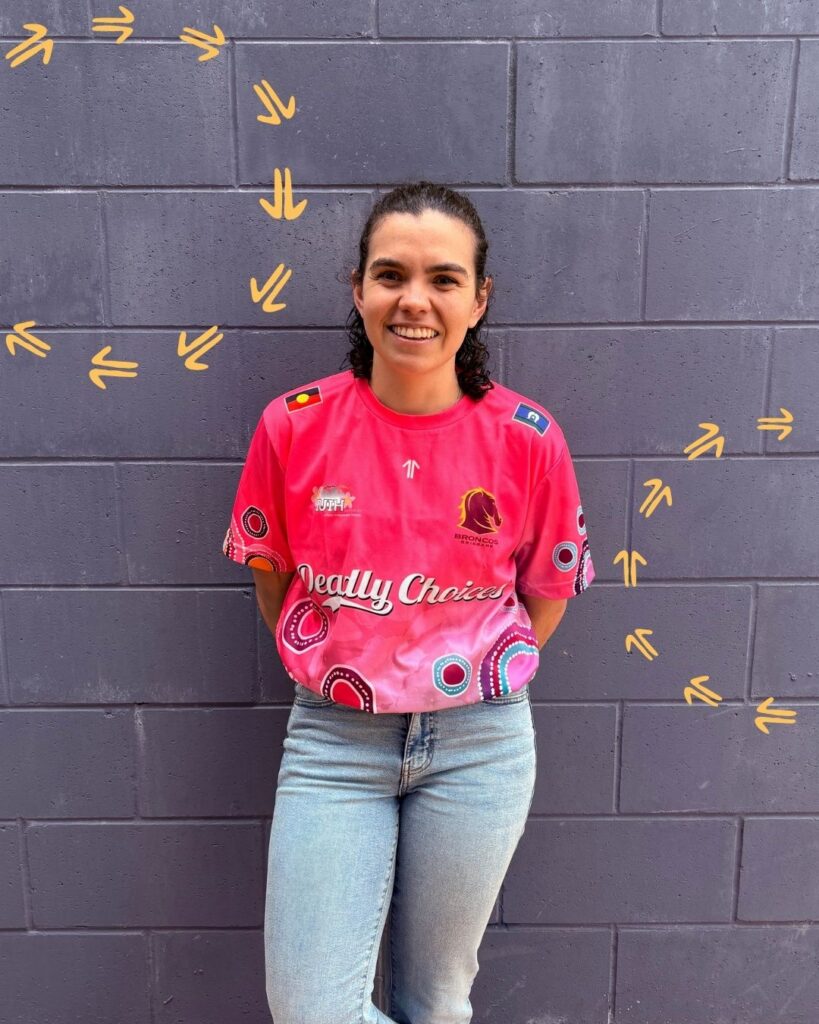
Accepting a position with IUIH in 2025 was more than a career change for Kara O’Sullivan – it was a return to the place she grew up. Born and raised in the Moreton Bay region, she now works around the corner from her parents’ home and close to the school she attended. This local connection adds to the bonds she builds with Mob in her role as an Occupational Therapist (OT) – when she’s assessing fall risks, for example, clients don’t have to explain the local footpaths or roads. For Kara, it’s just one of many benefits to being from, and working with, Community.
“Community know I know their history – I’ve lived it”, says Kara. “They’re not having to argue that they need care. I once had a family who were reluctant to engage because of child safety concerns. But because I identify and because I introduced myself as someone’s daughter, they weren’t concerned about me being from child safety – they knew I was safe.”
Kara’s career began with a school-based traineeship, before becoming an Allied Health Assistant at Queensland Health and eventually deciding to pursue a career as an OT. Now dividing her time between adult and paediatric clinics, she juggles a diverse workload that sees her support Mob of all ages. Intentionally creating a comfortable space for clients to come and yarn, she overcomes roadblocks that can stop Mob from accessing the services they need.
“If someone feels safe coming into my clinic room, it breaks down barriers in their healthcare, and it also creates a safe space where people can share,” she says. “When people haven’t engaged with me much before, they can be tense. But then they walk in, there’s a big couch in the room and everything’s soft and welcoming, and they just deflate.”
Culturally safe care, delivered instinctively
As a proud Wakka Wakka and Wulli Wulli woman, Kara instinctively practices in a culturally safe way – something that’s been consistent through her career in both mainstream and community-controlled health.
“Working in mainstream healthcare and working with Mob is very similar, because the approaches I use with Mob, I use everywhere,” says Kara. “It was a natural response because that’s the way I was raised – to be really staunch in our culture and to respect people. It meant when I started work, I naturally took what was very much a yarning approach.”
Feedback Kara sometimes hears from her clients is that they’ve felt dismissed or ignored by mainstream healthcare. That’s why she’s careful to ensure she walks alongside the people she supports – yarning with them, listening to them and putting a clear, achievable plan in place to achieve their personal goals. For Kara, her ongoing job satisfaction comes from the genuine and tangible impact she can have on the lives of Mob.
“I love the fact that I’m working with my people and I’m working with Community”, she says. “And even if I make a small difference in their journey, then I’ve done my job.“

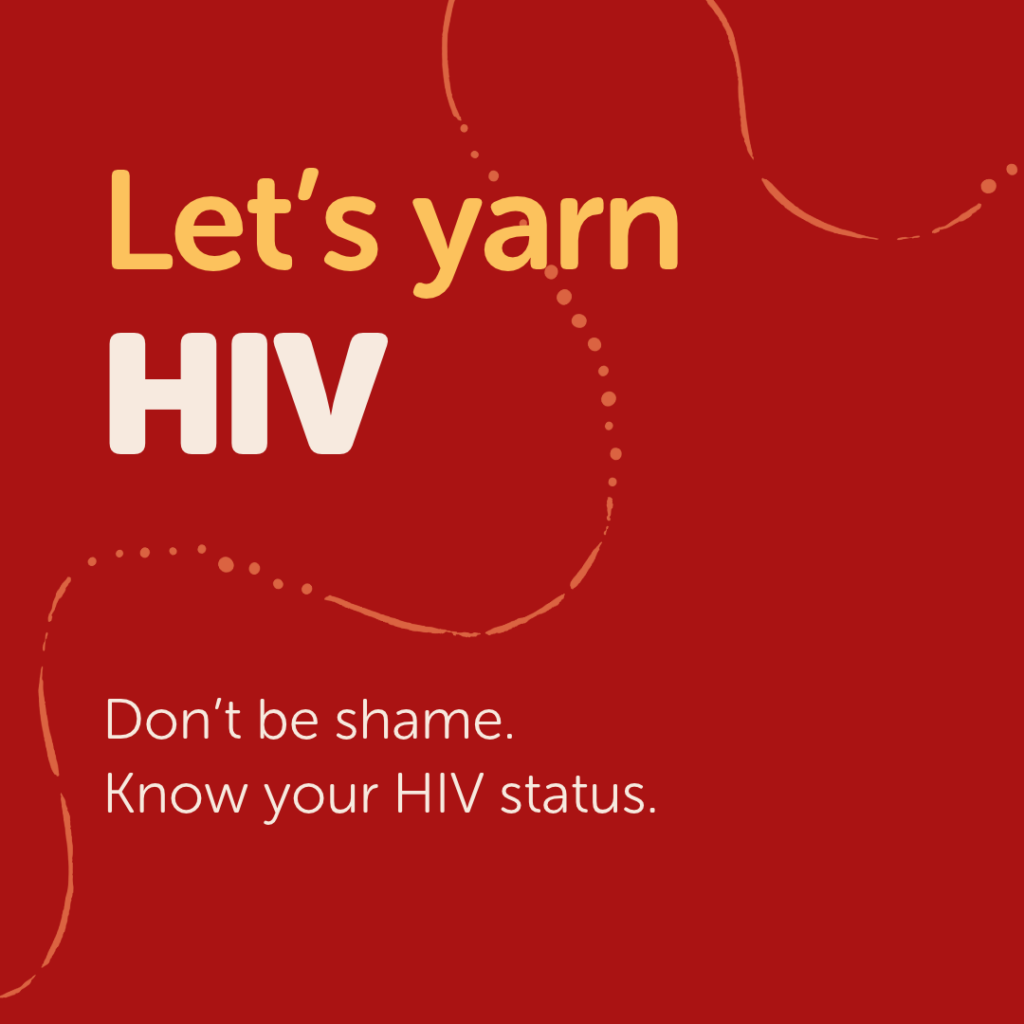
Concerning increase in HIV notifications: Don’t be shame. Know your HIV status.
October 20, 2026
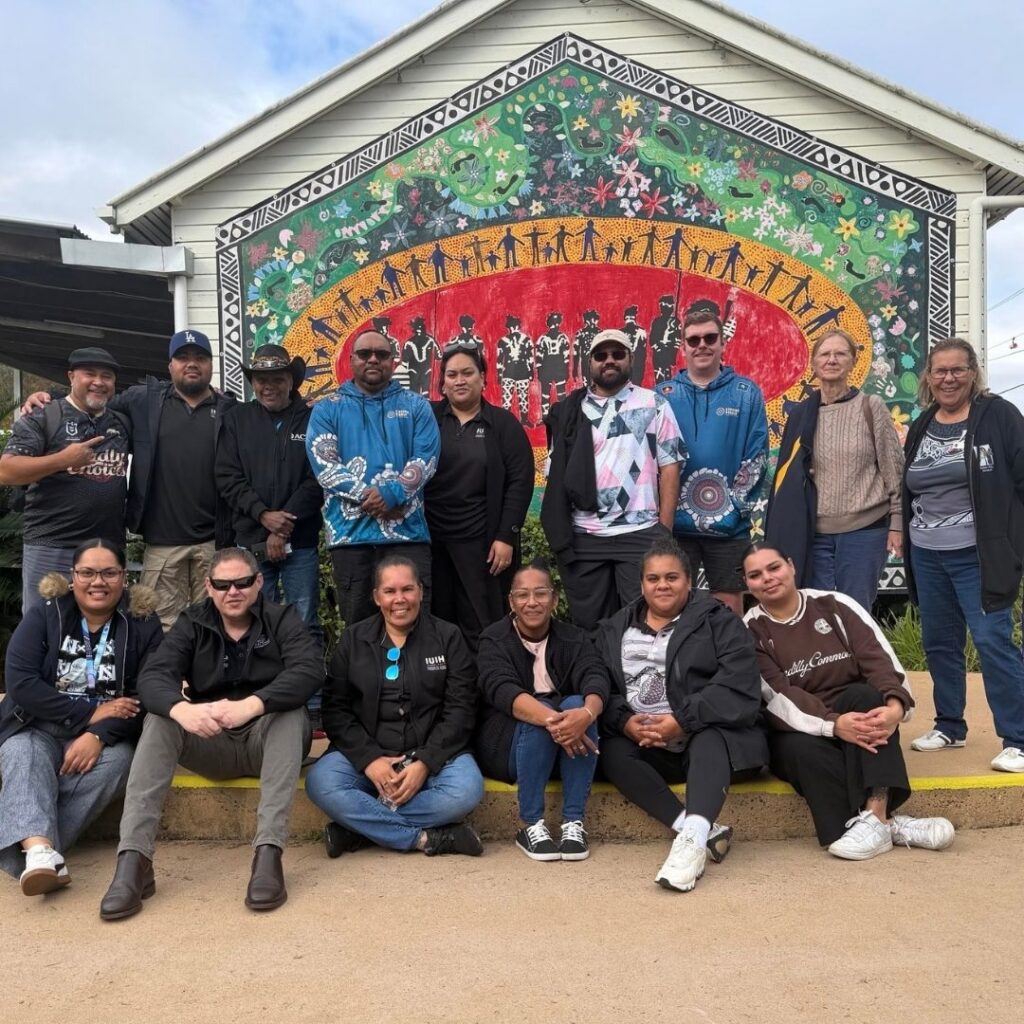
IUIH granted Administering Institute status by the National Health and Medical Research Council
October 1, 2026
Concerning increase in HIV notifications: Don’t be shame. Know your HIV status.
October 20, 2026
IUIH granted Administering Institute status by the National Health and Medical Research Council
October 1, 2026